Halloween Treats for Dogs: What to Give and What to Keep Away
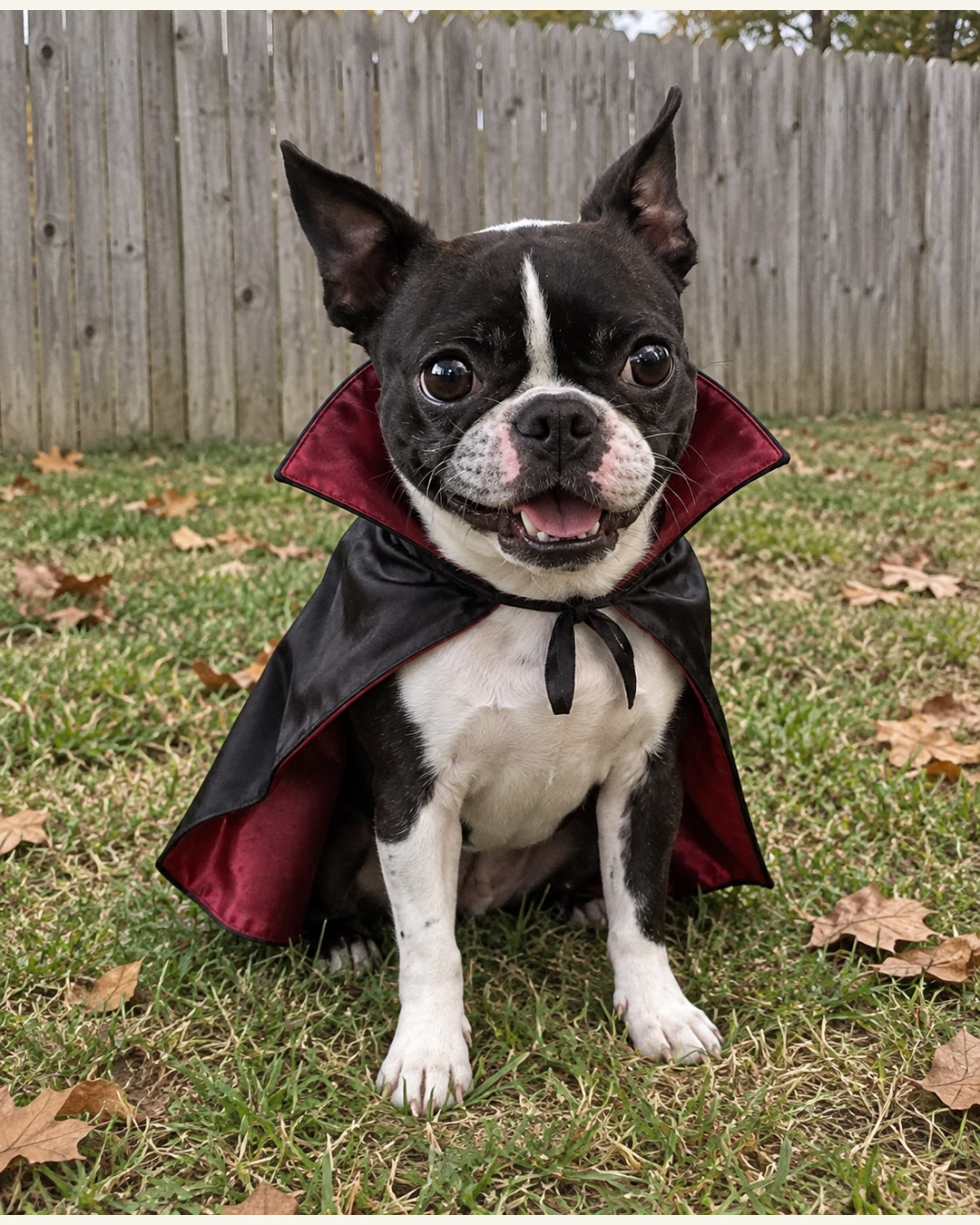
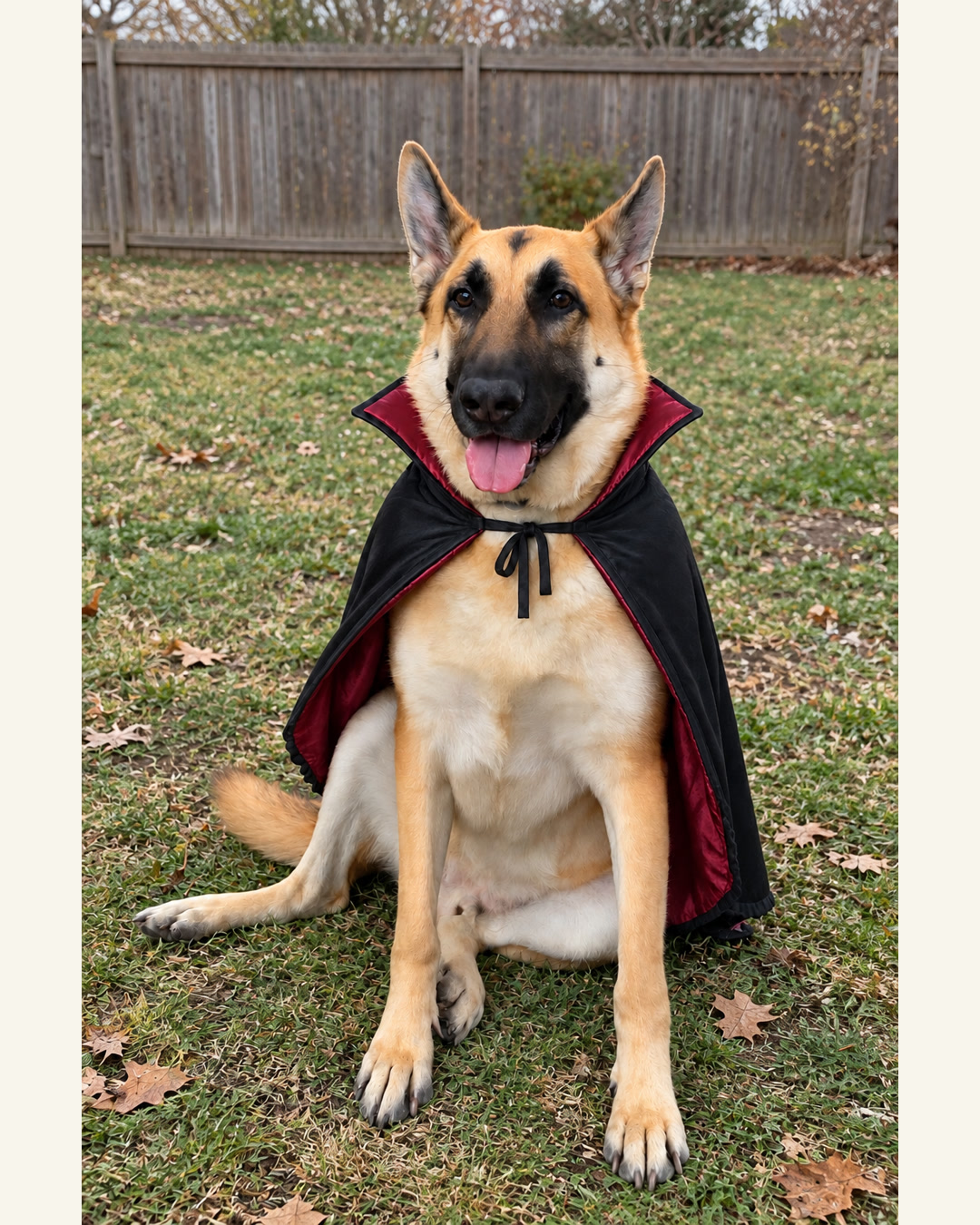
Bon Bon and Tommy are ready for a little Halloween fun—and the treats should be chosen just as thoughtfully as the costumes. Our dogs can join the celebration without sharing anything from the trick-or-treat candy bowl.
A small treat can still feel special
For many healthy dogs, a little plain food makes a welcome seasonal snack. Introduce a new food in a small amount, supervise eating, and choose soft, bite-sized pieces for your dog’s size and chewing habits. Dogs with allergies, prescription diets, diabetes, digestive conditions or a history of pancreatitis need a veterinarian’s advice before new treats.
- Plain pumpkin purée: choose 100% pumpkin with no added sugar, sweeteners or seasoning. Pumpkin pie filling is a different product. Offer a small amount rather than a large bowl. [1]
- Apple pieces: remove the core, stem and seeds, then cut the flesh into small pieces. Skip candy apples and caramel coatings. [2]
- Carrots or green beans: serve plain, cut appropriately; soft cooked pieces may suit dogs who struggle with crunchy foods. Leave out salt, butter, sauces and seasoning. [2]
- A familiar dog treat or part of dinner: a few pieces from the dog’s measured daily kibble allowance can be a reward without introducing a new ingredient.
Treats and extras should provide no more than about 10% of a healthy dog’s daily calories; the rest should come from complete, balanced food. That is a calorie limit, not 10% of the bowl’s volume. A veterinarian can help set the right allowance. Small dogs have smaller treat budgets, and every family member’s offerings count. [2]
What stays out of the dog’s treat bowl
Chocolate and cocoa: all chocolate belongs out of reach, with dark and baking chocolate especially concerning. Coffee and other caffeine products are unsafe too. Do not assume a small piece is harmless; risk depends on the product, amount and dog. [3] [4]
Xylitol: this sweetener can cause a rapid, dangerous drop in a dog’s blood sugar. It can be in sugar-free candy, gum and other foods, including some nut butters. Read every ingredient list rather than trusting “sugar-free” or “natural” wording. Possible ingestion needs immediate veterinary help, even if the dog looks well. [5]
Grapes and raisins: skip raisin boxes, chocolate-covered raisins and snack mixes containing them; they can damage dogs’ kidneys. Macadamia nuts, alcohol and raw yeast dough should also be kept away. Onion, garlic and chives—including ingredients in savory party food—can harm dogs. [4]
Rich, sugary or heavily salted party food: keep candy, buttery desserts, frosting and fatty leftovers for people. A food does not have to be a poison to upset a dog’s stomach. Plain ingredients are a better choice than complicated seasonal desserts. [2]
Decorative pumpkins and packaging: do not let dogs snack on old jack-o’-lanterns. Moldy pumpkin is unsafe, and hard rind or stems can become an obstruction. Keep wrappers, sticks and decorations away from curious mouths. [1]
If a dog gets into something dangerous
Call your veterinarian, the nearest emergency veterinary hospital or a veterinary poison service immediately if you suspect ingestion of chocolate, xylitol, raisins or another hazardous item. Do not wait for symptoms. Keep the packaging, estimate the amount and time eaten, and have your dog’s weight ready. Do not induce vomiting or give home remedies unless a veterinary professional specifically directs you. Difficulty breathing, collapse or seizures need emergency veterinary care.
A quieter, happier Halloween
Keep candy in a closed cupboard, put discarded packaging in a secure bin, and explain to children that the dogs have their own treats. Set up a quiet room away from the doorbell if visitors are overwhelming. Costumes should allow comfortable breathing, movement and vision; supervise, keep sessions brief and remove them if the dog is uncomfortable. [3]
For Bon Bon and Tommy, the goal is a comfortable celebration with something small and appropriate to enjoy. A little attention, a familiar toy and a safe snack can be plenty of Halloween magic.
Looking for a homemade idea? Visit our Recipes page, including Frozen Pumpkin Apple Bites. Check every ingredient label and adjust any treat to your dog’s individual needs.